


goes
on
here?
-
Coronavirus
updates
COVID-19 virus
PLEASE NOTE: This website has been left intact as far as possible, in order to display what happens in KURC when we are NOT in the middle of a pandemic. Anything found in these pages should be understood in this context. Thank you.
To keep up-to-date with changes as they happen, please
Monday 12th April 2021: As the 'lockdown' restrictions ease we are again meeting in the church for worship on Sundays at 17.00. The building will also be open for prayer Monday ‑ Friday during the morning. Please check times with Premises Manager. subscribe to this web-site using this 'E-alert' logo on every page; and follow us on Twitter and Facebook. Thank you!
Kingston United Reformed Church and the Richard Mayo Centre are strictly following current Government guidelines and restrictions relating to COVID.Many services and other activities normally held in the building are now taking place online.
Previous church services have been recorded, and you may listen to them here. You may also use the internet to follow the United Reformed Church's Daily Devotions during the pandemic.
Other online acts of worship, include: -
An
invitation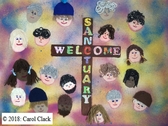
An invitation
You are warmly invited to visit our church and to join with us, remotely, or in our church services of worship; and in any activities taking place here. Please do take a look at what is available and just come along, or contact us if you would like further information or help.We look forward to meeting you!
-
Our
mission
Our mission
Our mission is to be a welcoming, caring, worshipping Christian community serving all.
-
Safeguarding
Safeguarding
In accordance with legislation, and a Christian way of living, the welfare of children and adults is paramount. We will follow legislation, statutory guidance and recognised good practice. All our work with children, young people and adults is undertaken, by staff listed here, in accordance with the Safeguarding Policy for Children and Adults set down by this church, and the Southern Synod of the United Reformed Church.
-
Getting
here
Getting here
We are located near the main shopping centre and five minutes walk from both the railway and bus stations. Parking is available nearby in town centre car parks.
We have good disabled access to our facilities.
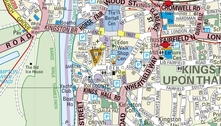
Find us
Find us here on the map.
Kingston United Reformed Church
Eden Street,
Kingston, KT1 1HZ
Telephone: 020 8549 1888
It is also possible to hire our Training Room in the Richard Mayo Centre as well as other rooms in our buildings for meetings and concerts.